
Architecture as a shared journey of discovery
In the world of construction, the choices we make take shape in works that define the spaces and atmospheres we will inhabit in the future - which is why the criteria guiding those choices through architecture are essential. According to Sebastião Ribeiro, the commitment to that criterion should extend throughout the entire design and construction process and to everyone involved in it, in what he calls a “shared construction.” For this reason, he is the perfect guest for another edition of #talkingwith.
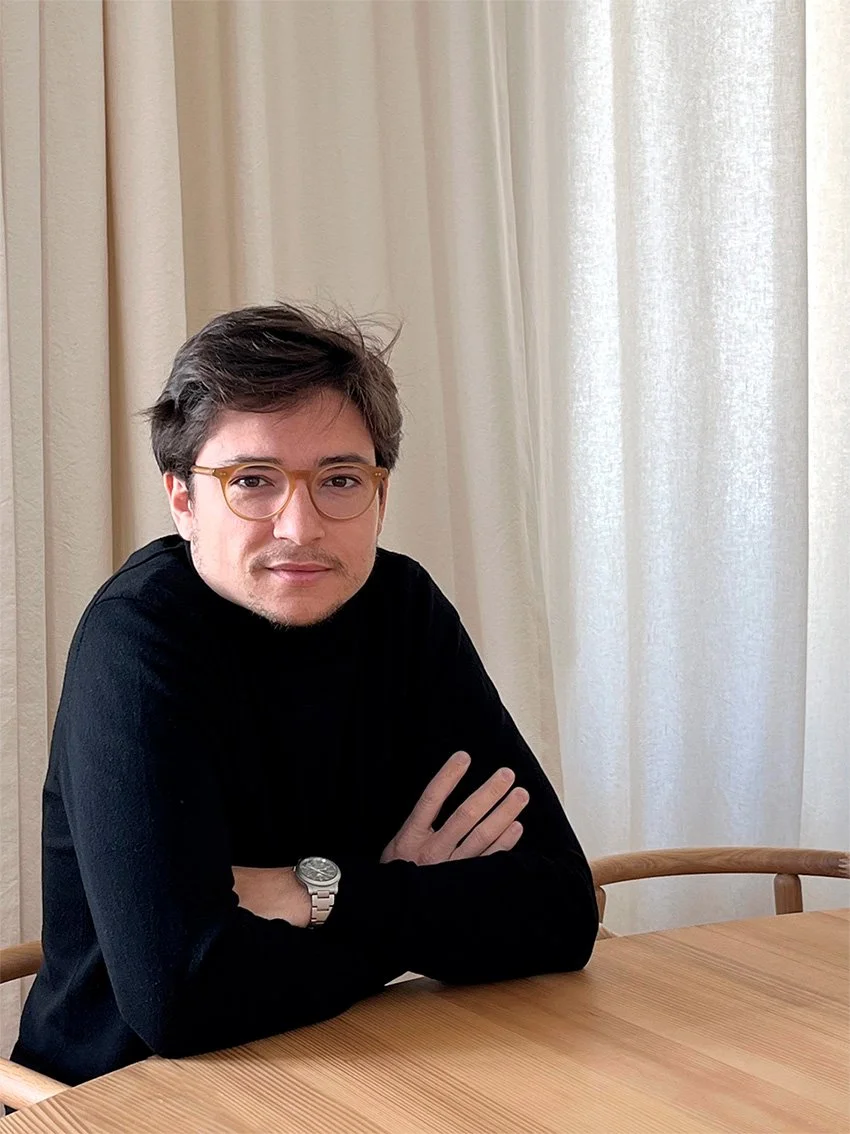
Sebastião Ribeiro
Architect and founder of Atelier AAVV – a practice that combines a collaborative approach with the fundamental questions of architecture – Sebastião Ribeiro joins us to talk about the importance of architecture and the current challenges within the context of practice in Portugal.
In general terms, what is the importance of architecture?
Beauty matters, and architecture represents the possibility of pursuing it in the things we build. The process of designing and constructing a building involves many circumstances and constraints that shape the work, and therefore it is essential to establish a criterion that turns our action within those constraints into a critical path of exploration. Without an architectural perspective, in today’s context, construction can easily become a mere response to immediate limitations, losing the opportunity to turn each building into a meaningful work.
To what extent can a project also have an impact on the neighborhood and the city?
All buildings have an impact, as they are part of a context and therefore contribute to a whole that transcends them. Of course, that contribution may vary in scope and depth, depending on the character and scale of the project, but there is always an effect—greater or smaller, positive or negative—and it is our responsibility to strive to do the right thing.
The city and the territory are made up of many different elements, and our work involves discovering the role that a new element can play within that whole. This question also arises clearly in the project for a building near Praça das Flores, in which we are working with Beelt, since we are intervening in a consolidated area of Lisbon’s urban fabric, with a distinct identity that everyone recognizes as valuable. The challenge of rehabilitating and expanding a pre-existing building entails, on one hand, understanding the context of the intervention and what must be preserved, but on the other, seeking the right character for what is new and exploring the possibilities that arise in relation to the spatial and typological goals defined for the building.
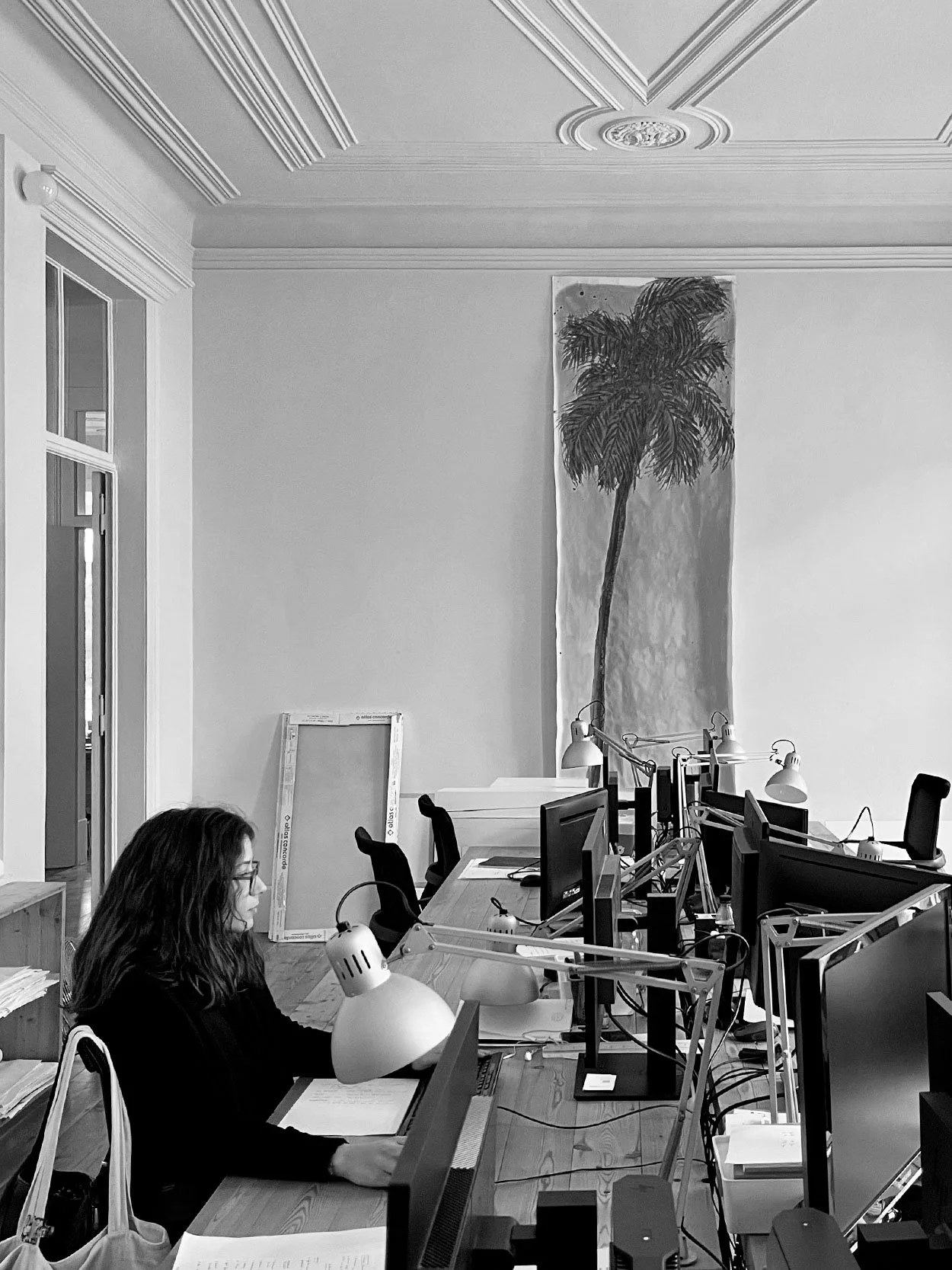
The atelier
What are the main challenges currently facing your profession?
Of course, we are all aware of the constraints in the licensing processes, or the difficulties that uncertainties and frequent changes introduce in the development of projects and in construction itself — often with significant consequences on project timelines. However, for us, the greatest challenge in architectural practice is always the restless desire to find the right answer for each place.
Do you believe the Simplex will have a positive impact?
The principle of simplifying bureaucratic procedures seems, in general, positive. Therefore, we hope that the outcome of this adaptation process will improve the framework for project work, although we still don’t have a full understanding of how the broad set of proposed changes will actually be implemented. In any case, our expectation is that, after a transitional period in which the profession adapts and learns how to deal with some of the problematic consequences of this new framework, it will indeed become a positive contribution.
Ideally, would it be important to have contractors collaborate during the design phase? What advantages could this bring, and what mistakes could be avoided?
Bringing together a group of people — including the developer, the builder, and the design teams — who are motivated by a shared purpose and able to establish relationships of trust and alignment, is a decisive factor for ensuring that the process from design to construction runs smoothly.
Within that framework, having the contractor’s collaboration to confirm certain design decisions can be a significant advantage. In the project we are developing with Beelt, this principle has been firmly in place, allowing for mutual understanding early in the design process — which is a clear benefit in preparing for construction. We believe that the opportunity to collaborate by sharing different yet complementary knowledge and experiences, while understanding each party’s role, brings us closer to the common goal of building well.
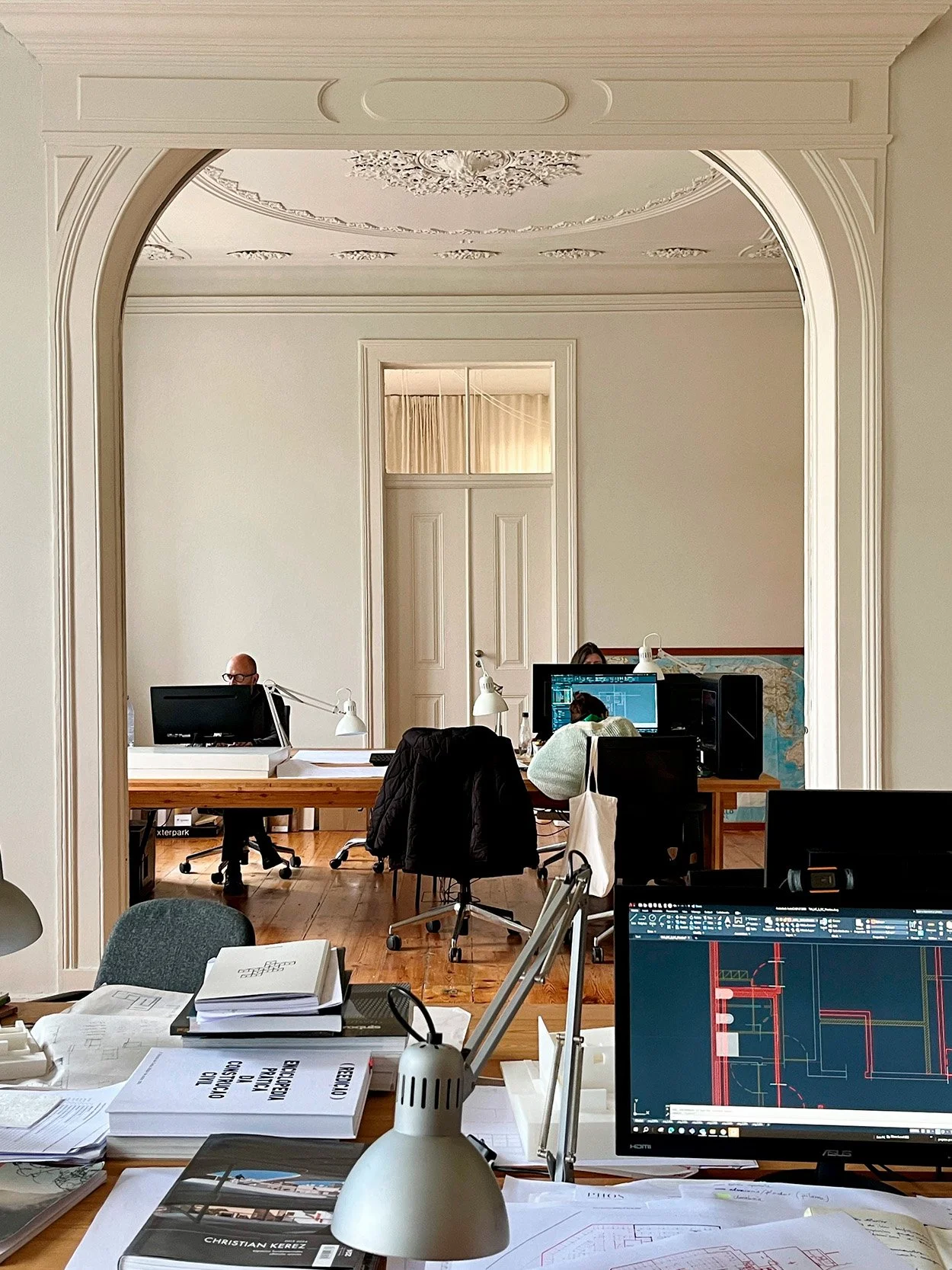
Does your atelier usually work within this collaborative dialogue?
The most common process to reach construction execution begins with the development of the project, followed at a later stage by a construction tender based on that project. This does not prevent us from drawing on experience from other projects and from the continuous contact we maintain with builders to deepen our work.
In more specific cases, we have already had the experience of working from earlier stages of the project within this collaborative dialogue. When a team with shared objectives is formed, this has led to very positive results. In any case, we consider site supervision an integral part of our work, not only because a project is not truly complete until the construction is finished, but also because the construction itself teaches us how to build.
What will be the most relevant topics in architecture and construction in the coming years?
It is always difficult to predict the future, and in fact, the most important questions seem to be enduring ones. In the current context and in our country, the challenge of housing represents a problem, but perhaps also an opportunity to rethink what homes for the future could be.
In addition, there are naturally the issues related to sustainability in construction. It is crucial to understand the impact that choices regarding materials and construction systems can have. We are convinced that this reflection must be undertaken without being overly constrained by the specificities of each moment, and without compromising what sustainability in architecture represents at its core: the quality of spaces and buildings.
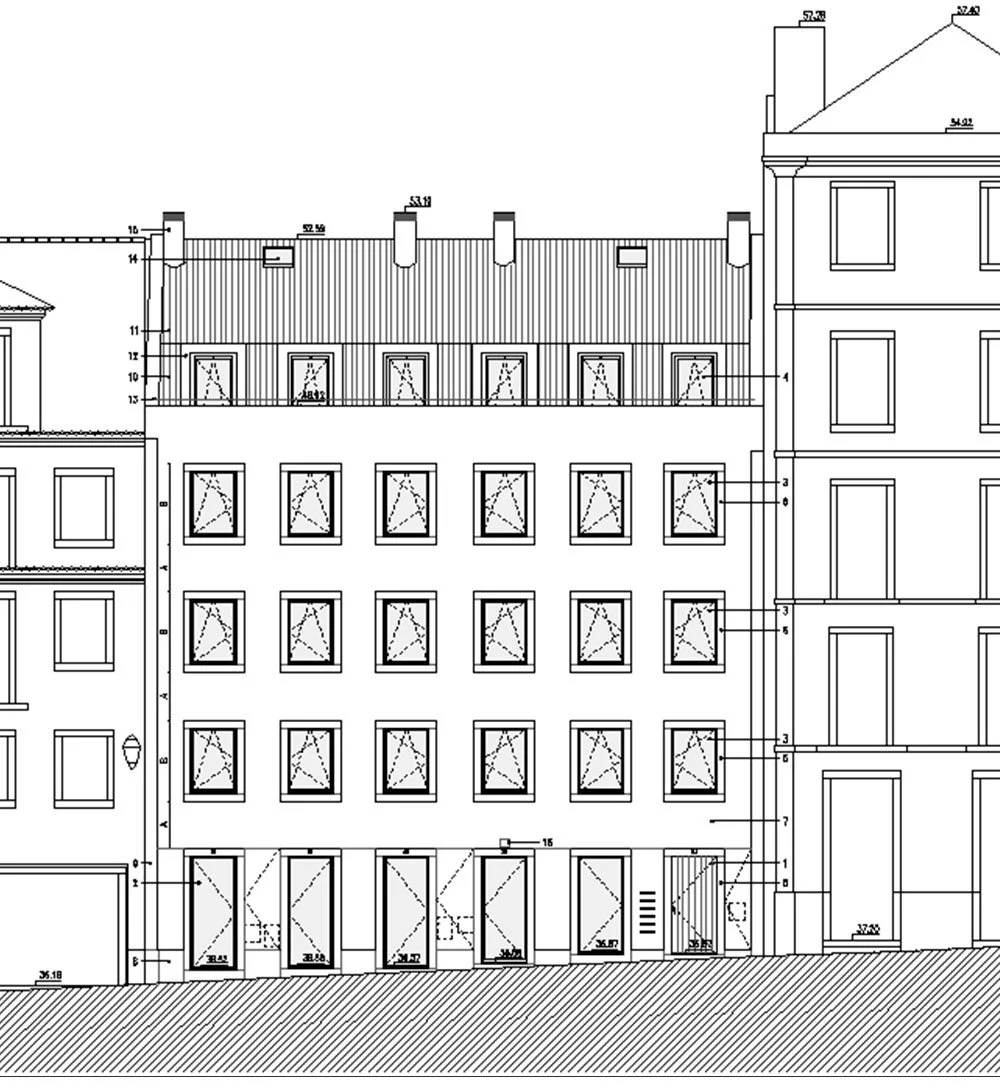
Beelt was appointed as the contractor for the Príncipe Real project. What are your expectations for this project?
The development of this project has been based on a relationship of trust and enthusiasm, which we believe is shared by all parties involved. This has allowed us to sense, even at this preparatory stage, that the contractor will champion the project as their own, working alongside us during construction. In this context, we cannot help but say that our expectations are very high, and we are highly motivated for the start of the construction, which we hope will happen soon.
What other qualities of Beelt do you consider important for the project’s success?
"Beyond the project we are currently working on together, we have already had the experience of collaborating with Beelt on a previous project. At the time of preparing that project, a timeline - perhaps ambitious - was set for its completion, yet Beelt delivered the finished work a month ahead of schedule, executing the project fully and with great competence."
This ability to combine professionalism in project execution with an understanding of the importance of the design—and the value of trust and complementary roles among the various stakeholders—is, without a doubt, a distinguishing quality that can be decisive for your future success.