
Architecture, quality of life, and the environment
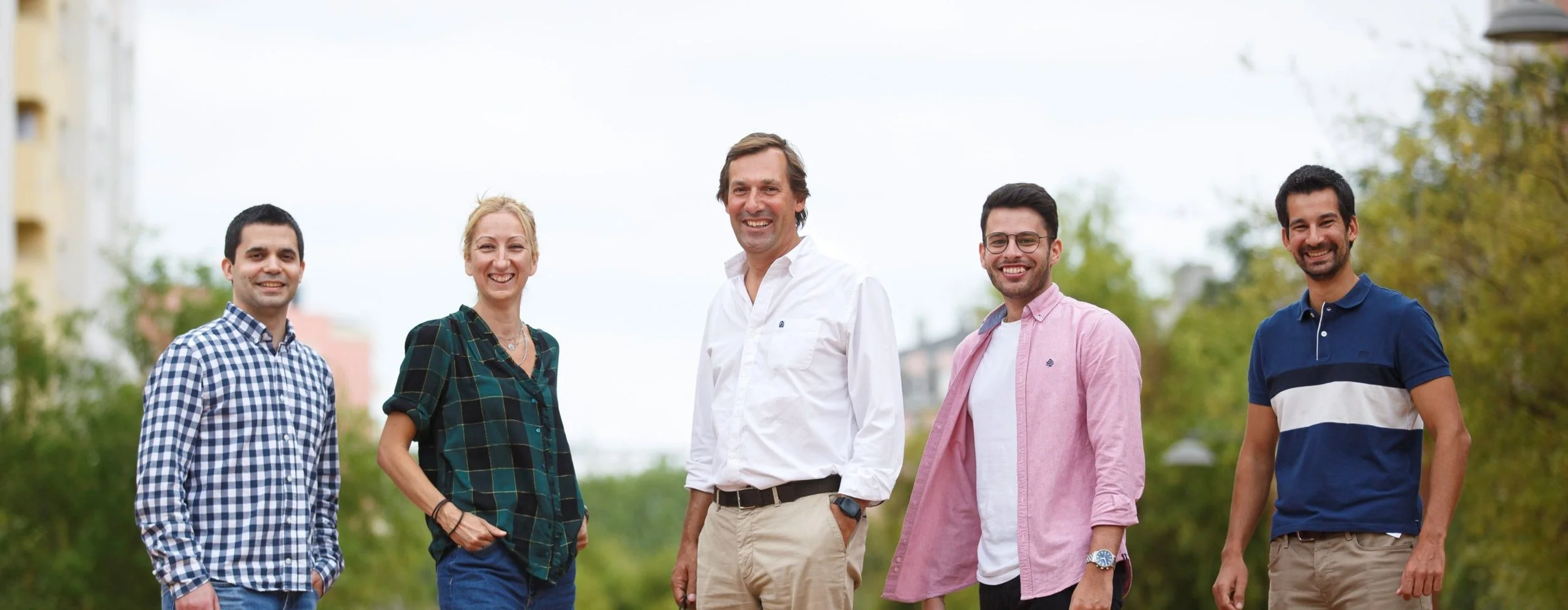
Based in Lisbon with over 40 years of experience, Santos Pinheiro Arquitetos Associados develops architectural projects across all stages, from preliminary studies to on-site supervision. With a diverse portfolio ranging from historic building rehabilitations to residential, tourism, and industrial projects, the firm focuses on providing tailored solutions and fostering close client relationships.
We spoke #TalkingWith one of its partners, Architect Vasco Pinheiro, to learn more about the role of architecture in a project, the major challenges in the profession, key factors for a successful architect-contractor relationship, Beelt’s contribution, and the most relevant topics in architecture and construction for the coming years.
Starting from the beginning, why is the role of architecture so important in a project?
An architectural project is, by nature, a comprehensive process. Architecture plays a fundamental role, responsible for conceiving and planning spaces while balancing functional and aesthetic considerations. The architect’s role is to create innovative and creative solutions, addressing the needs and desires of clients as well as the constraints and characteristics of the site. Projects cannot simply be repeated anywhere; even if the typology is similar, the way it is resolved in a specific place is unique.
Economic aspects are also key, as construction costs must align with expectations—someone ultimately pays the bill. A well-executed project ensures financial viability during construction while safeguarding the client. From a sustainability perspective, there is an increasing need to implement energy-efficient solutions compatible with the social context.
Through the project—an active process of research, reflection, and experimentation—architecture gains the ability to transform the environment and enhance the experience of those using the spaces. It goes beyond creating buildings, contributing to improved quality of life, well-being, and harmony with the surrounding environment.
How does Santos Pinheiro Arquitetos Associados describe their approach?
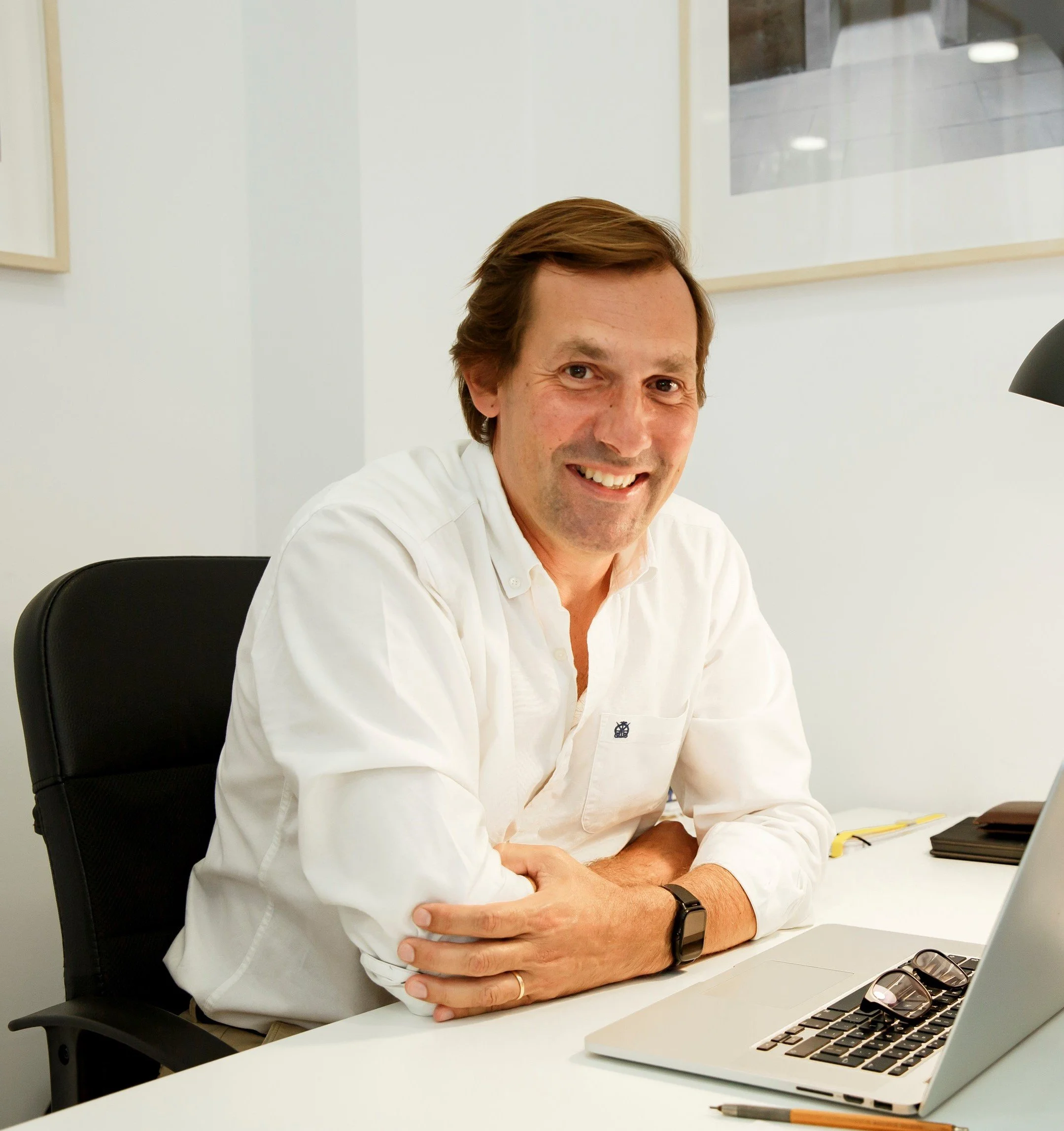
Our studio’s approach is centered on dialogue and collaboration. We value understanding our clients’ needs and aspirations—often life-long dreams—and translating them into architectural projects that meet their expectations. We believe in listening carefully and involving clients at every stage of the process, from initial design to project execution.
We also aim to develop a sustainable approach, considering the environmental impact and energy efficiency in our projects. We prioritize creative and innovative solutions tailored to the site’s characteristics and the specific needs of each program and challenge. Our approach emphasizes technical excellence and attention to detail, always aiming to deliver high-quality projects.
What are the biggest challenges currently facing the profession?
We live in a world increasingly filled with regulations, and in Portugal, I believe there is an excess of rules, perhaps due to over-caution. In many cases, regulations are so extensive and complex that they overlap and conflict, making projects impractical or even unfeasible. There is a lack of understanding that architecture is not an exact science. Rules are often applied rigidly, without the flexibility that is necessary.
Another problem is the discrepancy between authorities in how rules are interpreted—different procedures, formats, and timelines make submissions inconsistent. For example, submitting a project to the Lisbon City Council is completely different from submitting a similar project to the Amadora City Council, even though the law defining what constitutes a project is the same. These obstacles, combined with long approval times, increase costs for investors and often delay critical investment decisions.
What are the critical points for a successful relationship between the studio and the contractor?
Communication is one of the most important factors. Poor communication can lead to misunderstandings, errors in project interpretation, and delays in construction. It is essential to establish open channels and ensure both parties are aligned on objectives, requirements, and timelines.
Another key factor is coordination. Collaborative work is essential to ensure harmony between architectural design and project execution. Coordination issues can arise from unclear specifications, divergent interpretations of drawings, or lack of supervision during construction. Working with the contractor during the design phase allows for better solutions, cost savings, and faster execution, avoiding future problems.
Finally, trust and mutual respect are critical. A strong partnership built on trust, transparency, and respect enables challenges to be addressed collaboratively, opening the door to joint problem-solving.
Having worked on several projects with Beelt, how would you describe their work?
Beelt demonstrates exemplary professionalism in all its activities. Over more than ten years of collaboration, I have never encountered any issues. Beelt has also grown positively, gaining structure and solidity, showing proactivity and building strong partnerships. I have full confidence in all their work. The team has grown in size and expertise, executing projects across Portugal while remaining reliable and professional, which is essential.
Looking ahead, what do you see as the most relevant topics in architecture and construction in the coming years?
In the coming years, sustainability will be a central theme in both architecture and construction. Environmental awareness and the search for sustainable solutions are increasingly important and must be actively promoted.
Sustainability begins with responsible resource use, incorporating recycling, minimizing environmental impact, and using renewable energy sources like solar, wind, and water. Not all clients actively seek these solutions, but it is our duty to present options and educate them about available choices.
In urban contexts, we have already made significant progress with photovoltaic panels, heat pumps, thermal break window frames, high-performance masonry, and insulation systems. In rehabilitation projects, innovation is often easier, as reuse of existing structures inherently supports sustainability. In rural or environmentally sensitive areas, sustainable solutions are encouraged by legal requirements to minimize ecological impact and ensure reversibility in some cases.
Step by step, innovative and efficient solutions are emerging, allowing us to design increasingly sustainable projects. We live in a constantly evolving world, where architecture and construction play a vital role not just in building spaces, but as active agents adapting to new societal needs.
We must always remain ready to evolve, building the future alongside our clients and partners.