
Timber building construction?
The construction industry still has a long way to go in terms of sustainability, with new alternatives being explored daily, both in materials and building techniques. One growing trend is timber construction, specifically CLT (Cross Laminated Timber). This more sustainable alternative is considered low-impact because it is renewable and part of the natural carbon absorption cycle of trees. Additionally, its production consumes less energy compared to conventional building materials like concrete.
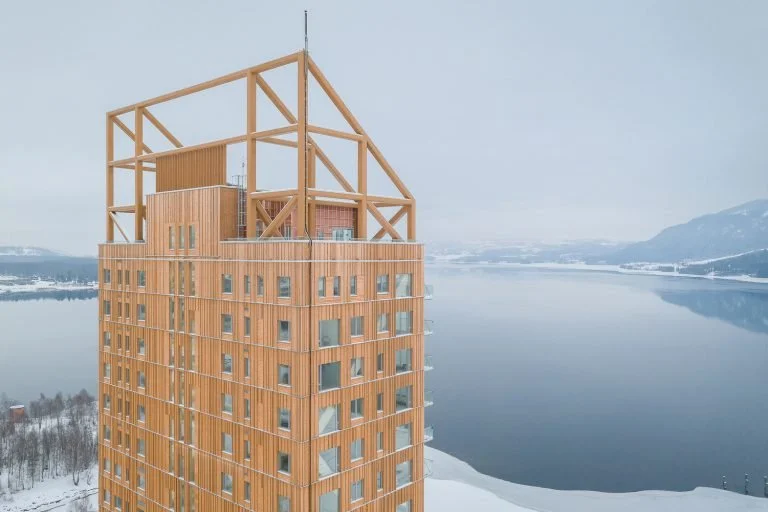
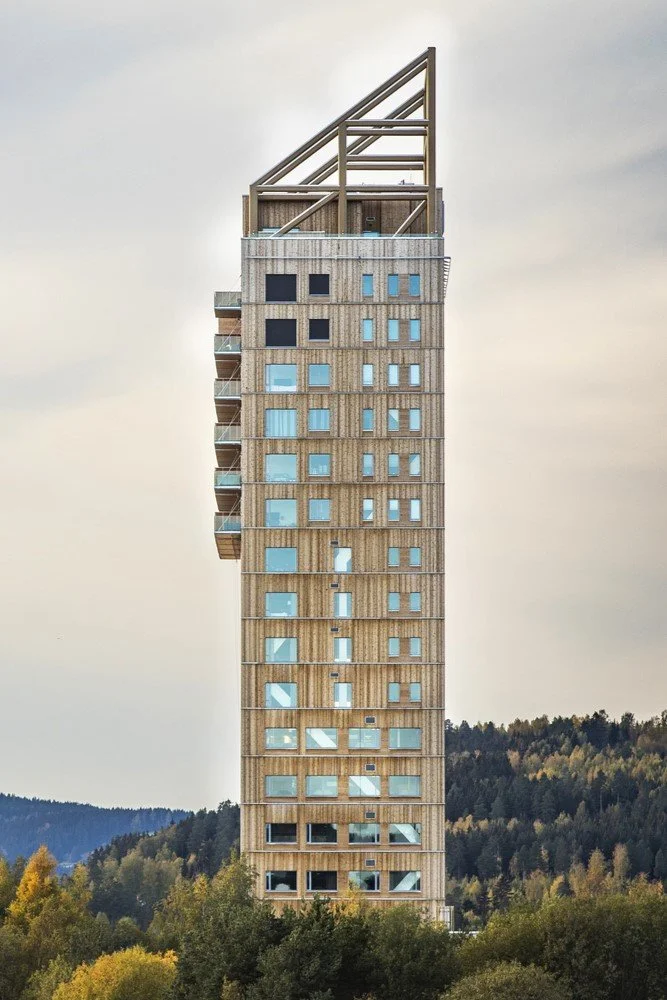
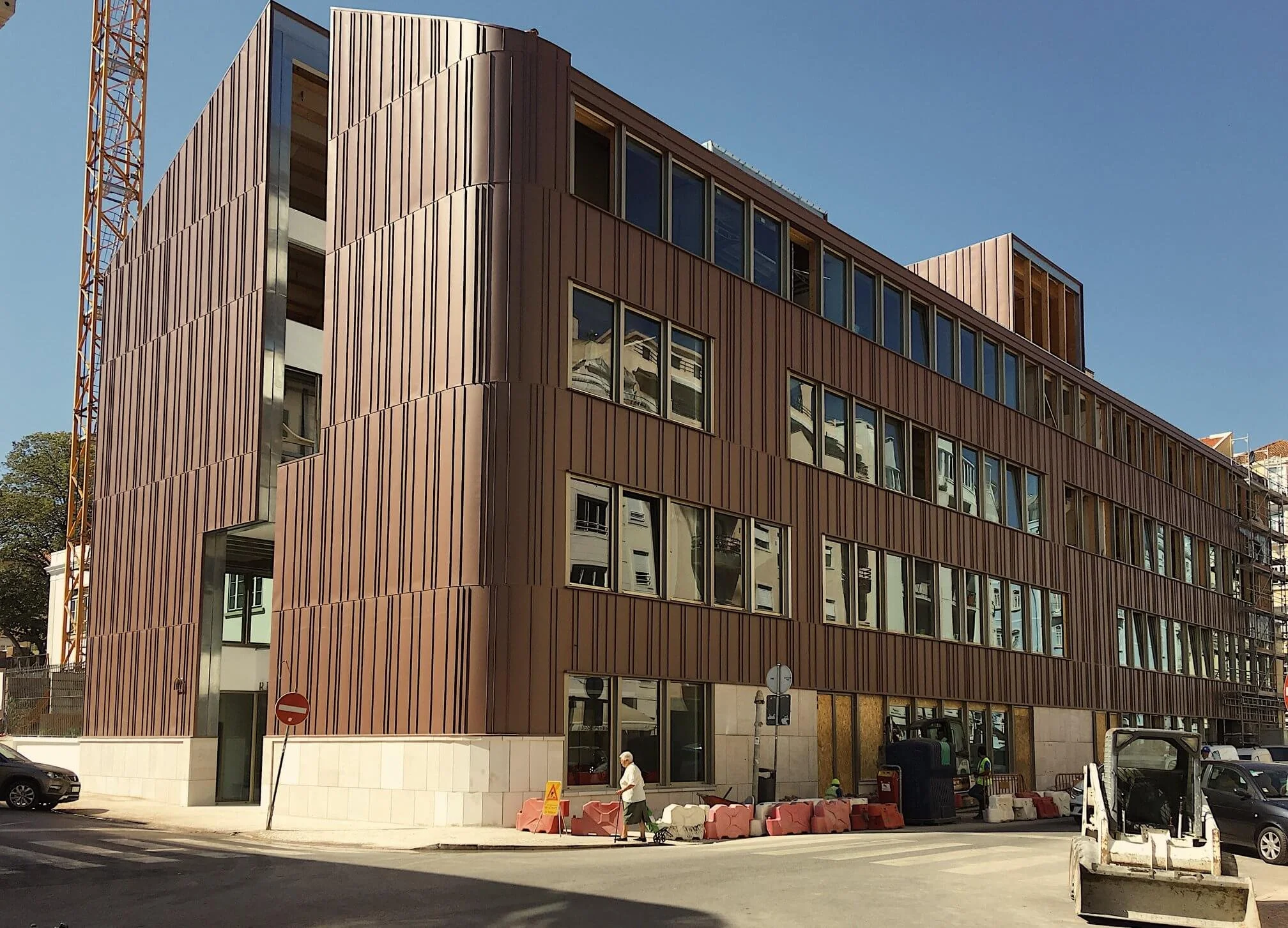
The use of timber as a building material is not new, but the major innovation lies in its ability to support high-rise construction, offering an alternative to concrete and steel. CLT (Cross Laminated Timber) buildings can reach several dozen floors. For example, Mjøstårnet in Norway, completed in 2018, is currently the tallest timber building in the world, with 18 floors and a height of 85.4 meters. Other examples include HoHo Vienna in Austria, with 24 floors, and Treet in Norway, with 14 floors. In Portugal, only a few projects have used CLT for multi-story buildings. A notable example is the Redbridge School in Campo de Ourique, Lisbon, the tallest building in Portugal constructed predominantly with CLT.
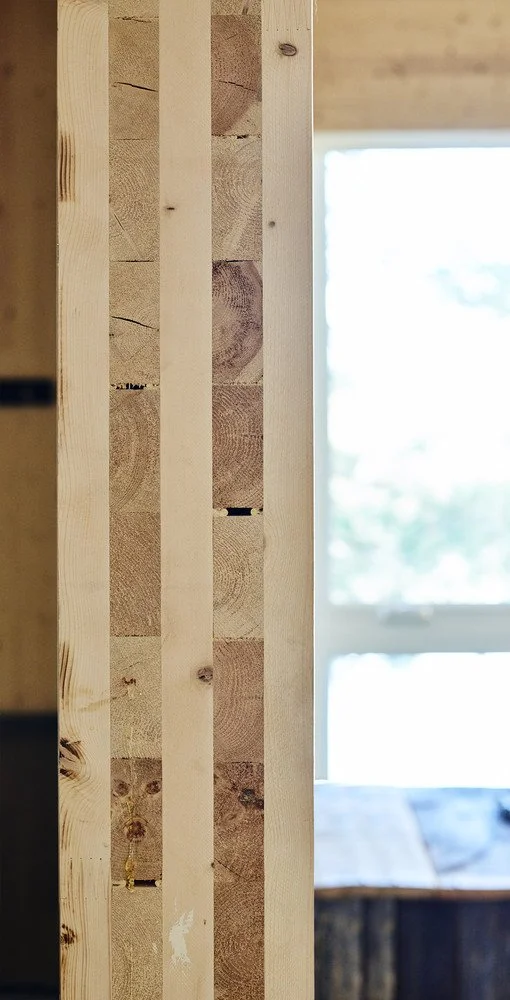
Cross Laminated Timber (CLT), also known as laminated timber, is a composite wood solution typically made from solid wood panels arranged in cross-laminated layers and glued together. Usually, three, five, or seven layers are used, depending on the structural requirements of the project. Advances in manufacturing technology and understanding of its structural properties now allow CLT to replace traditional materials like concrete and steel in multi-story building construction.
The benefits of using CLT include:
Faster construction: CLT is prefabricated off-site, allowing quicker and more efficient on-site assembly. Panels are manufactured with precision, including custom cuts and holes, reducing on-site labor and speeding up construction.
Strength and structural performance: CLT is engineered for high structural performance. Its cross-laminated construction provides dimensional stability, rigidity, and load-bearing capacity. It can be used for walls, floors, and ceilings, supporting heavy loads and resisting seismic forces.
Thermal and acoustic insulation: CLT’s layered structure offers natural thermal and acoustic insulation, reducing heat loss and providing a comfortable, energy-efficient interior. Additional insulation can further enhance building performance.
Design flexibility: CLT allows for open spaces and customized layouts. Panels can be cut into various sizes and shapes, enabling adaptation to diverse architectural projects. It can also be combined with other materials for hybrid design solutions.
Fire resistance: CLT has predictable fire performance. The outer layer chars when exposed to high temperatures, creating a protective barrier that slows fire spread while maintaining the material’s structural stability.
However, it is important to consider that every project has its unique requirements, and it is necessary to carefully evaluate whether CLT is suitable for the specific needs and constraints of the project.
From a sustainability perspective, CLT offers several advantages:
Renewable resource: CLT is primarily made from wood, a naturally renewable material. The timber used comes from sustainably managed forests, where new trees are planted to replace harvested ones, ensuring long-term resource availability.
Carbon storage: Trees absorb carbon dioxide (CO₂) as they grow, storing it in their fibers. When used in CLT, this carbon remains locked in the material for the building’s lifespan, helping reduce CO₂ emissions and the carbon footprint of a building.
Low energy consumption: Manufacturing CLT requires less energy than conventional building materials. Factory production also allows for better quality control and higher energy efficiency compared to on-site construction.
Reduced environmental impact: CLT production generates less material waste and lower emissions of greenhouse gases and pollutants than concrete production.
Dry construction method: CLT construction is “dry,” meaning it does not require wet mortar or cement, reducing water use and supporting resource conservation.
Sustainable lifecycle: CLT is durable with a long lifespan. At the end of its life, the material can be reused, recycled, or used for energy production, contributing to a circular economy and minimizing waste.
It is important to note that, although CLT is a sustainable construction material, the source of the wood should be certified by programs such as FSC (Forest Stewardship Council) or PEFC to ensure sustainable forest management. Additionally, following best construction practices and optimizing the building’s energy efficiency is essential to maximize the sustainable benefits of CLT.
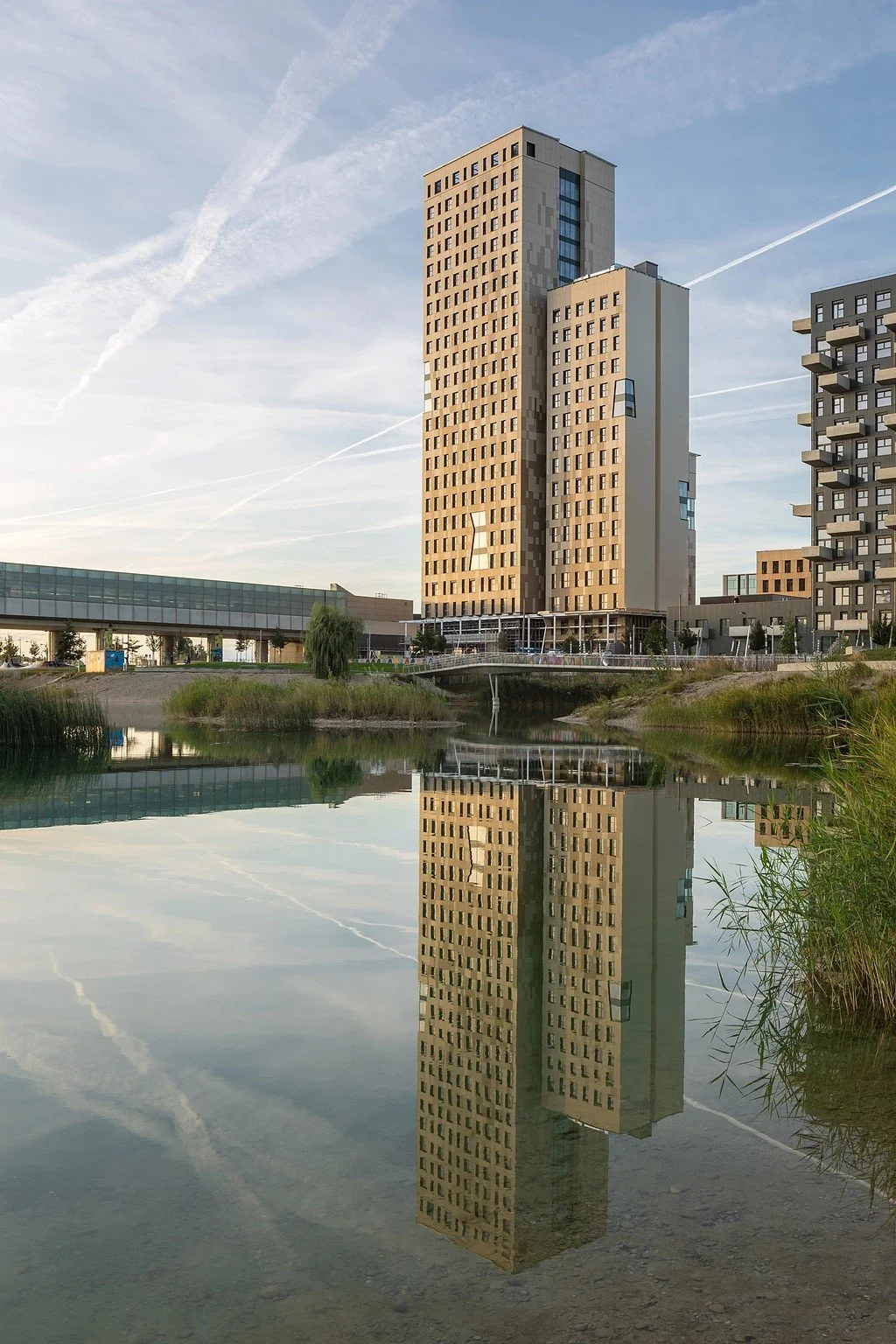
Despite all the economic and environmental advantages, CLT is still used on a relatively small scale. On one hand, it is a relatively new technology compared to traditional construction materials, and the lack of knowledge can lead to resistance or distrust among construction professionals and project owners. The construction industry tends to be conservative, and familiarity with conventional materials can slow the widespread adoption of CLT. This is often compounded by the perceived higher initial cost, even though CLT can offer time and labor savings during construction.
On the other hand, regulatory and supply limitations also play a role. The lack of clear guidelines or the need for adaptations in building codes can hinder broader use, and in many regions, the production capacity and availability of CLT are still limited, restricting its ability to meet demand.
Demand for CLT buildings is increasing, but there is still a long way to go. Beelt is committed to reducing the environmental impact of the construction industry at all stages of a building’s lifecycle, actively promoting the adoption of more efficient and sustainable solutions.