
Sustainable construction: a path to reducing energy poverty in Portugal

The article “Lack of Knowledge and High Costs Keep Portugal in Energy Poverty” from the newspaper Construir highlights how Portuguese citizens’ limited understanding of sustainable construction and energy efficiency may contribute to energy poverty (the inability of an individual or family to afford basic energy needs) in the country, leading to high energy costs in the future.
The widespread tendency is to cut costs during construction rather than invest in the future.
Beelt’s main responsibility is to execute its clients’ projects correctly, but we believe in taking an active role in promoting and recommending best practices, aiming for a better future for the community.
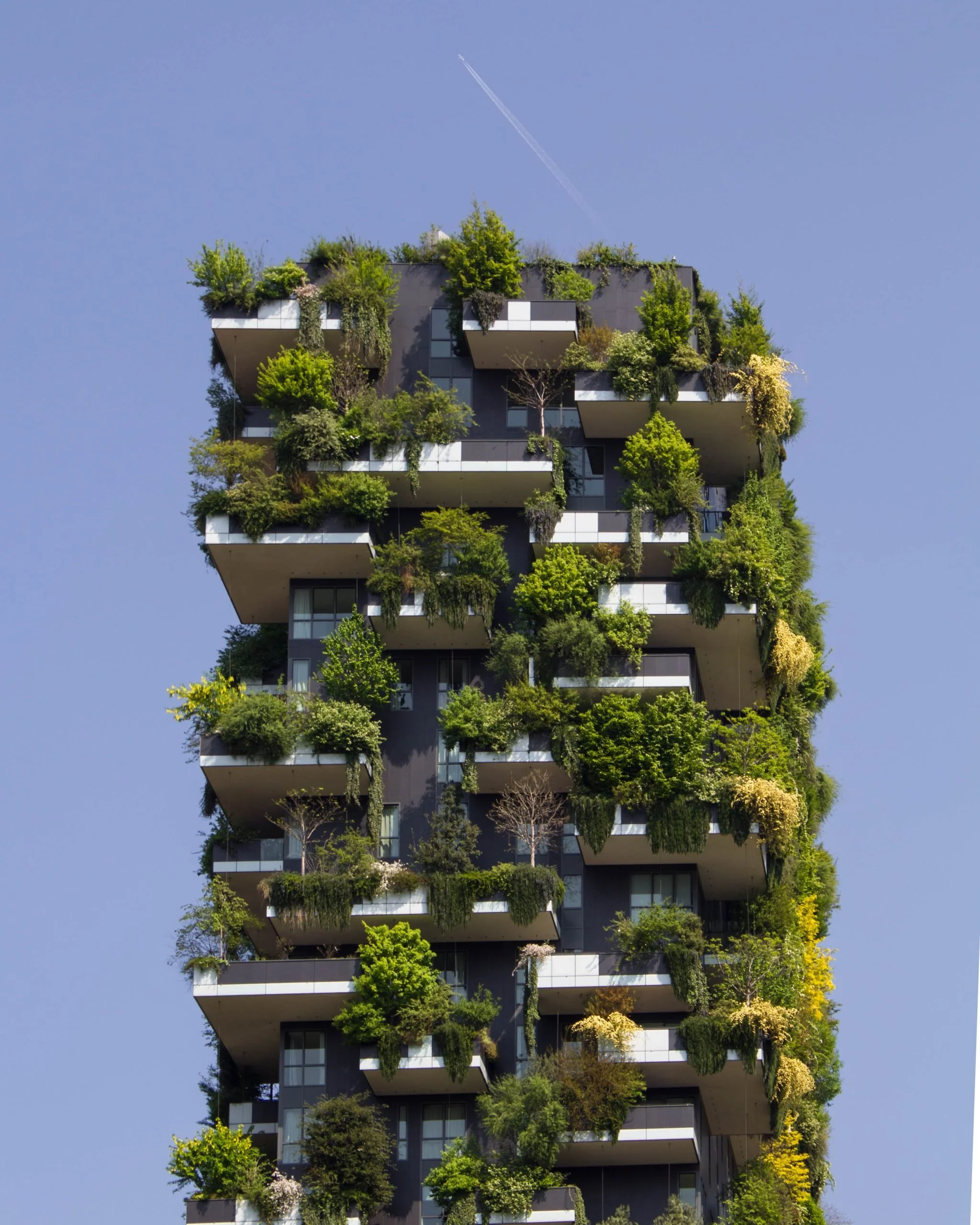
It is therefore essential to highlight the importance of sustainable construction and energy efficiency in reducing energy costs and improving people’s quality of life. Energy-efficient new builds and renovations help lower household energy consumption, resulting in reduced bills and greater financial stability for families.
If you are planning a renovation, we recommend the following steps:
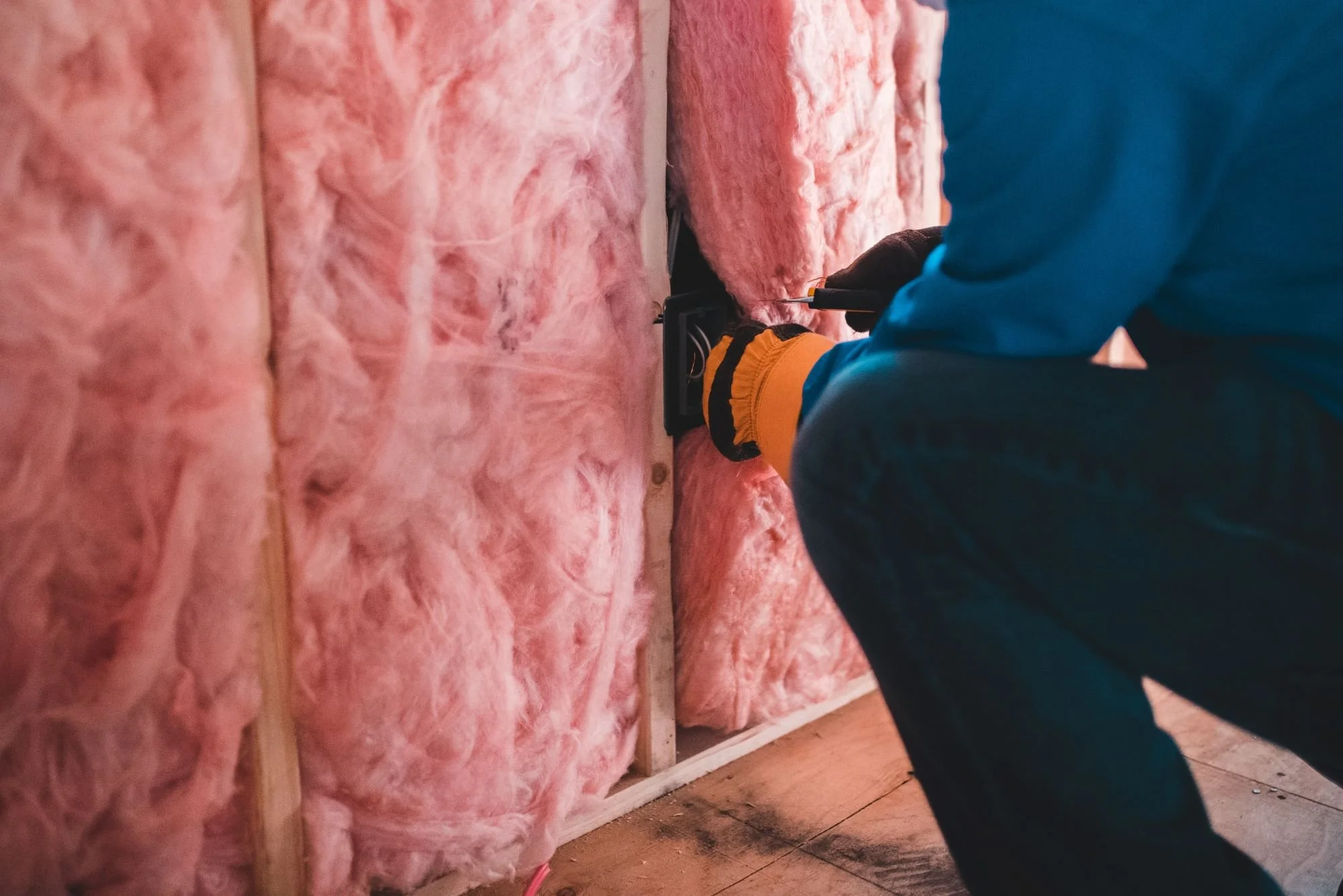
Energy assessment – Before starting any work, it is important to conduct an energy assessment of the property. This will identify areas for improvement, avoid unnecessary spending, and guide investments to where they will be most effective. Some energy companies and government programs offer free or discounted energy assessment services.
Sustainable architectural design – Ask your architect or design studio to incorporate the recommendations from the energy assessment into the project, proposing solutions that are both sustainable and appropriate for the space. Common strategies, such as natural ventilation or rainwater collection systems for toilet flushing and garden irrigation, can significantly increase resource efficiency.
Choosing sustainable and energy-efficient materials and equipment – There are increasingly more options on the market, such as motion-sensor taps (reducing water waste), eco-friendly, VOC-free paints (improving indoor air quality), efficient LED lighting, and smart lighting controls (reducing electricity use). Other common options include double- or triple-glazed windows. Better performance, lower consumption, and more sustainability!
Renewable energy sources – Where possible, consider installing solar thermal or photovoltaic panels, heat pumps, or other renewable energy sources. These can significantly reduce energy costs and make your home even more efficient.
These investments can bring economic and environmental benefits that go beyond personal gain. Using renewable energy sources can reduce dependence on imported fossil fuels, helping to stabilize energy prices and increase the country’s energy security.
From an environmental perspective, investing in clean energy can help lower greenhouse gas emissions, which contribute to climate change. Additionally, using renewable energy sources reduces air, water, and soil pollution associated with the extraction and burning of fossil fuels.
We encourage you to share this article and reinforce the message that energy sustainability is not just a choice but a necessity to ensure a livable future for coming generations. Everyone must do their part to achieve this goal.